Circular Economy: Transform Your Neighborhood
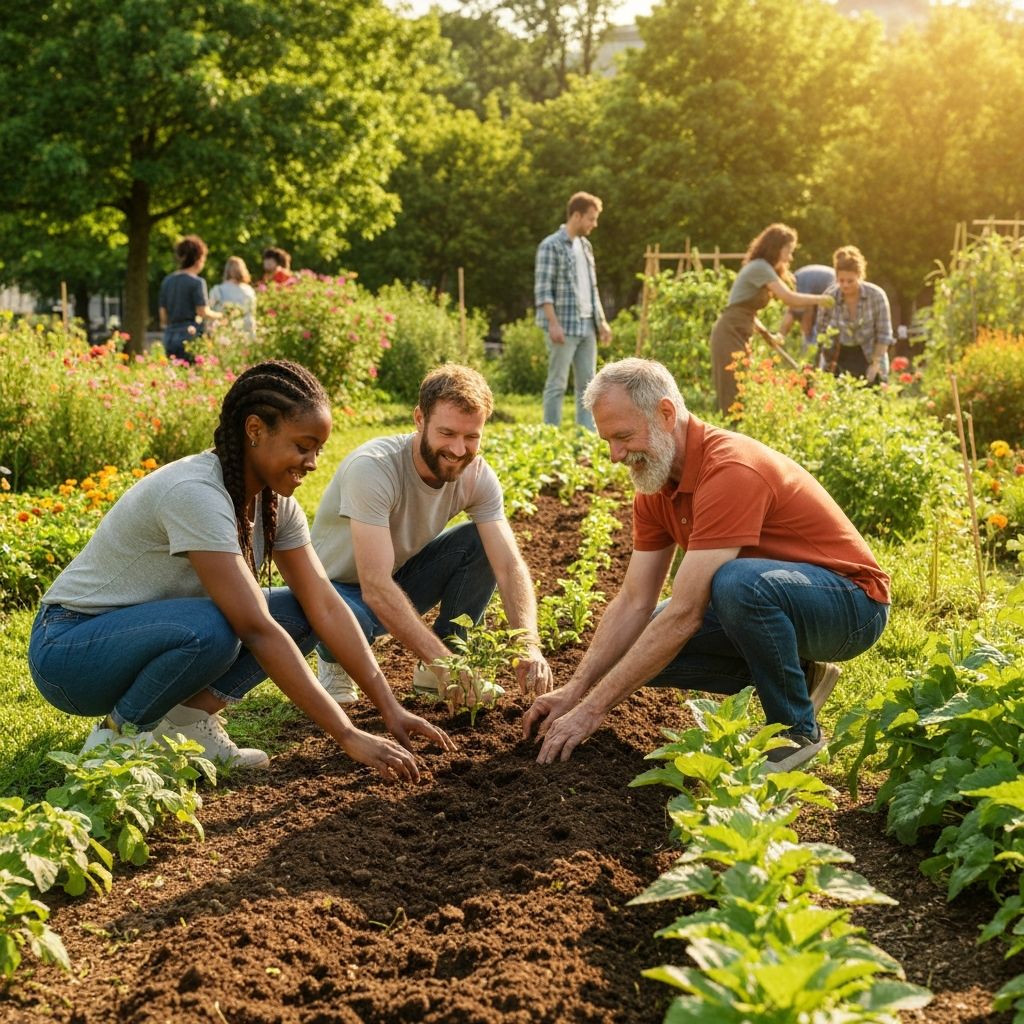
What is the Circular Economy?
The circular economy is an economic model that seeks to eliminate waste and maximize resource use. Instead of the linear "extract-manufacture-dispose" model, it proposes closed cycles where materials are continuously reused.
Fundamental Principles
#
1. Design Without Waste
Every product should be designed with its complete life cycle in mind, facilitating repair, reuse, and recycling.
#
2. Keep Products in Use
Extend product lifespan through repair, restoration, and reuse.
#
3. Regenerate Natural Systems
Return nutrients to the soil and restore ecosystems instead of degrading them.
How to Implement It in Your Neighborhood
#
Create a Community Tool Library
How many times do you need a drill per year? Share tools with your neighbors:
- Organize an inventory of available tools
- Establish a simple lending system
- Create a group chat to coordinate
#
Organize Swap Markets
Exchange markets are perfect for giving new life to objects you no longer use:
- Choose a fixed monthly date
- Find a common space (plaza, community center)
- Promote on social media and local posters
#
Establish Community Composting
Composting converts organic waste into valuable fertilizer:
- Identify an appropriate space
- Involve interested neighbors
- Establish clear rules about what to compost
Conclusion
The circular economy is not just theory; it's a practice that can transform your neighborhood into an example of sustainability. Start with small actions and watch them grow.
Written by
Solarpunk Paradise
Sustainability expert and community activist. Author of the Building Green Futures guide.

Enjoyed This Article?
Get the complete guide with 150+ pages of practical content
Get the Complete Guide